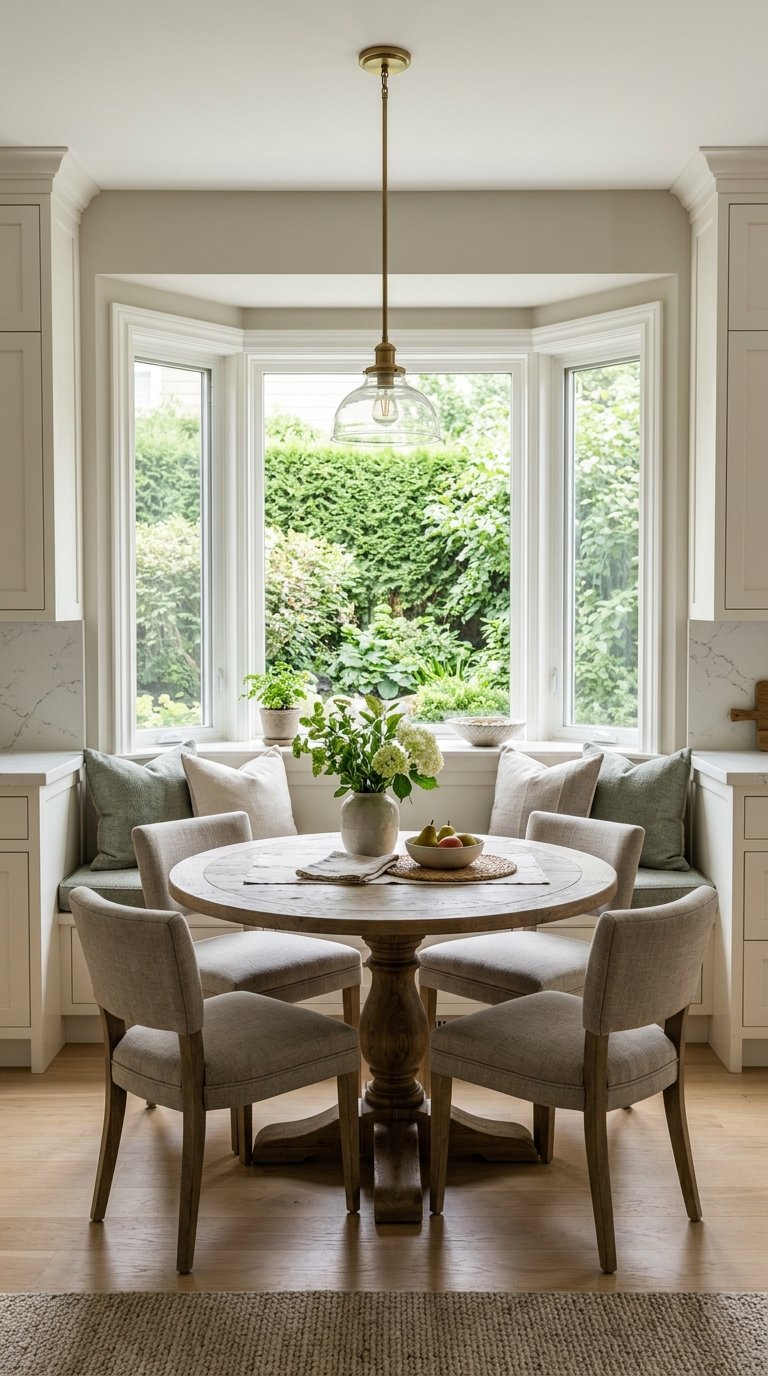
Relocating to Morris County NJ From the City or Suburbs
June 18, 2026
June 18, 2026
Thinking about leaving the city or a tighter suburb behind, but not ready to give up convenience? Morris County often lands on the shortlist for exactly that reason. You can find a mix of suburban space, commuter options, walkable downtown areas, and outdoor recreation, all within a county about 30 miles northwest of New York City. If you are trying to figure out where you might fit best, this guide will help you compare town styles, commuting patterns, housing tradeoffs, and what to look for on your first visit. Let’s dive in.
Morris County offers a balance that many buyers want but struggle to find in one place. Census QuickFacts shows a 2024 population of 523,053, a 74.3% owner-occupied housing rate, a median value of $582,500 for owner-occupied homes, and a 29.8-minute mean travel time to work.
Lifestyle also plays a big role in the county’s appeal. Morris County park sources describe more than 20,000 acres of parkland and more than 260 miles of trails and pathways. That helps explain why many buyers see Morris County as a place where you can gain more room and still keep access to jobs, transit, and everyday amenities.
Not every Morris County move looks the same. If you are coming from a city setting, you may care most about walkability, mixed housing, and train access. If you are moving from another suburb, you may be focused on more space, easier parking, a different commute, or a better fit for your daily routine.
That is why Morris County works best when you think of it as a collection of different lifestyles rather than one single market. Some towns feel more urban and active, some are classic commuter suburbs, and others lean more toward space, parks, and a quieter residential pace.
Before you narrow your town list, it helps to get clear on what matters most day to day. In Morris County, your best match often depends on how you want to commute, what kind of housing you prefer, and how much you value downtown access versus larger residential settings.
A simple first-pass checklist includes:
Morristown is the most urban-feeling option in this group. The town describes distinct residential neighborhoods along with downtown condos and apartments, and the local police bureau says Morristown swells to more than 100,000 people daily because of county offices, the medical center, and its active downtown district.
For buyers relocating from the city, Morristown can feel like a smoother transition than a quieter suburb. NJ Transit lists Morristown Station on the Morris & Essex Line, and Census QuickFacts shows a 36.7% owner-occupied rate with a $567,600 median value for owner-occupied homes. That mix points to a market with more compact and varied housing than many other parts of the county.
Madison is a strong option if you want a polished suburban setting with a traditional downtown feel. The borough describes itself as a small suburban community about 20 miles west of Times Square, and its new-resident guide highlights the downtown, train station, commuter parking, local businesses, library, and pool.
Madison also offers Midtown Direct rail service to New York City. Census QuickFacts shows a 63.8% owner-occupied rate and a $943,200 median value for owner-occupied homes, placing it in the county’s more premium walkable-suburban category.
The Chatham area is another strong fit for buyers who want a commuter-friendly small-town setting. Chatham Borough’s official pages emphasize daily life details like downtown parking, commuter resident permits, and station-related logistics.
That may sound minor at first, but it matters in real life. If you expect to rely on rail access regularly, station parking, permit rules, and your walk from downtown to the platform can shape your entire routine.
Denville is often a smart match for buyers who want suburban ownership and real rail access. NJ Transit lists Denville Station on both the Morris & Essex and Montclair-Boonton lines, and the station is located off Route 53 with parking.
Census QuickFacts shows an 87.7% owner-occupied rate, a $564,600 median value for owner-occupied homes, and a 29.5-minute mean commute. In simple terms, Denville can appeal to buyers who want a more residential setting than Morristown without giving up train access.
Parsippany stands out for buyers whose routine depends more on roads than rail. The township says it has direct access to I-80, I-280, I-287, Route 10, Route 46, and Route 53, which gives it one of the strongest highway profiles in Morris County.
It also has a broader housing mix than some of the more traditional commuter boroughs. The township’s Housing Division notes regulation of single-family rentals and apartments, and the town has an accessory apartment program. Census QuickFacts shows a 59.6% owner-occupied rate and a $536,200 median value for owner-occupied homes.
Montville is a larger-lot suburban option with several village centers, including Montville, Towaco, and Pine Brook. The township highlights access via I-287, I-80, Route 46, and Route 202, making it another strong town to consider if your commute is road-based.
Montville also combines that access with a more ownership-oriented profile. Census QuickFacts shows an 87.7% owner-occupied rate and a $700,200 median value for owner-occupied homes, suggesting a move-up option for buyers who want more room and a more spread-out suburban setting.
If your top priority is more space and a recreation-focused lifestyle, Randolph deserves a serious look. The township says it covers 21 square miles, includes more than 765 acres of parkland and 16 miles of trails, and has prioritized open-space conservation.
Census QuickFacts shows a 77.8% owner-occupied rate and a $670,700 median value for owner-occupied homes. For buyers comparing tradeoffs, Randolph may make more sense if you care less about train-led living and more about a quieter residential feel with strong access to parks and outdoor time.
If budget sensitivity is part of your move, Dover is worth adding to your shortlist. NJ Transit lists Dover Station about half a mile from Route 46, and Census QuickFacts shows a 46.0% owner-occupied rate.
That lower owner-occupied rate suggests a more mixed housing profile than some of the higher-priced commuter suburbs nearby. For some buyers, that makes Dover a useful town to compare early in the process rather than only after other options feel out of reach.
One of the biggest mistakes relocators make is comparing only list prices without looking at what each town tends to offer in return. Across Morris County, the median value for owner-occupied homes is $582,500, but the spread between towns is wide.
Here is the current median value snapshot from Census QuickFacts for the towns covered in this guide:
| Town | Median Value for Owner-Occupied Homes |
|---|---|
| Parsippany | $536,200 |
| Denville | $564,600 |
| Morristown | $567,600 |
| Randolph | $670,700 |
| Montville | $700,200 |
| Madison | $943,200 |
This is where your priorities matter most. Morristown and Parsippany are natural starting points if you want condo, apartment, or mixed-stock possibilities. Madison and the Chatham area better fit buyers seeking a close-in suburban feel, while Denville, Montville, and Randolph lean more owner-dominant and detached-home oriented.
A move to Morris County can look simple on a map and feel very different in practice. Rail access is strongest in the east-central corridor, with NJ Transit listing stations in Morristown and Madison on the Morris & Essex Line and Denville on both the Morris & Essex and Montclair-Boonton lines.
But station location and daily routine matter just as much as the train line itself. Morristown Station sits near Morris Street and Elm Street, Madison Station is one block from Main Street, and Denville Station is off Route 53 rather than in a dense downtown block. Those differences can shape how walkable or car-dependent your commute feels.
For drivers, Parsippany and Montville usually rise to the top because of their road access. Morris County’s transportation pages also point residents to bus service within the county and to nearby counties, plus 511NJ for live traffic information.
The best scouting trip usually includes two or three towns on the same commute axis. That gives you a better feel for how one area compares with another without bouncing all over the county.
For each town, try to visit:
It is also smart to test your visit at the same time of day you would normally travel. Morris County directs drivers to 511NJ for current traffic conditions, and NJ Transit maintains rail schedules, so you can compare your impressions with official commute tools.
Many buyers focus first on bedrooms, price, and commute time. Those are important, but in Morris County, small routine details often shape long-term satisfaction more than people expect.
Pay attention to things like station parking, downtown parking, how direct the walk is from the station to shops or restaurants, and whether your errands would mostly happen by car. In towns like Madison and Chatham, commuter parking rules are part of daily life, while in places like Parsippany and Montville, road access may matter more than downtown walkability.
If you want a simple way to organize your search, start here:
That kind of framework can save you time. Instead of trying to tour every possible town, you can focus on the places that best match how you actually live.
If you are relocating to Morris County from the city or another suburb, the right move is usually less about finding the “best” town and more about finding the best fit for your routine, budget, and pace of life. With more than 30 years of experience helping buyers, sellers, renters, and investors across Central New Jersey, Lee Opperman brings the local knowledge, steady guidance, and responsive support that can make your move feel much more manageable.
Stay up to date on the latest real estate trends.


Get assistance in determining the current property value, crafting a competitive offer, writing and negotiating a contract, and much more. Contact me today.